

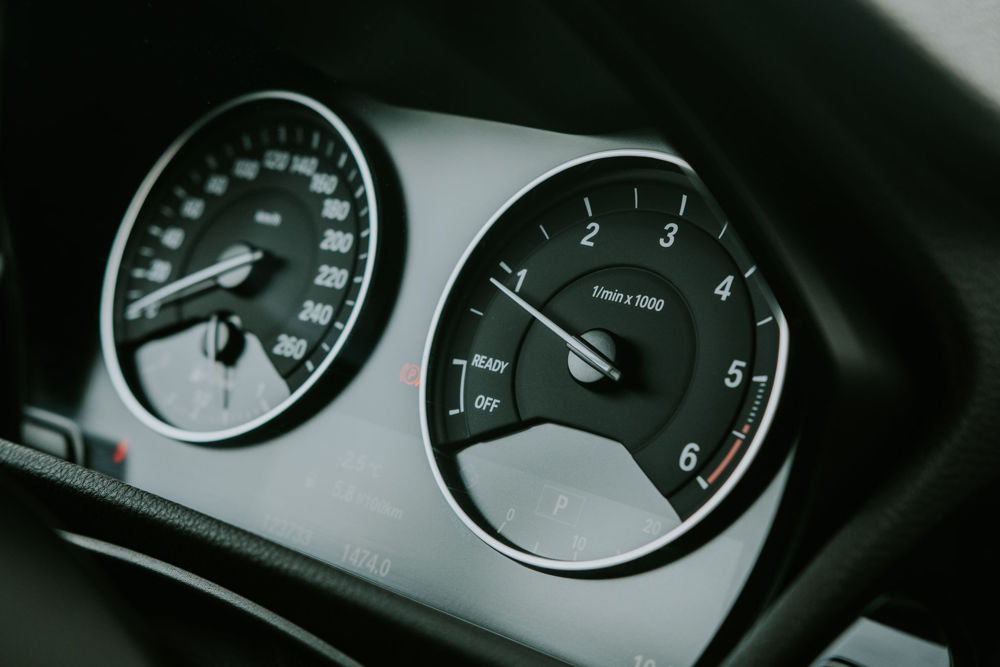
Mileage is one of those things that every car owner discusses, but only a minuscule number actually figures out correctly. One person fills fuel and resets the trip meter, then drives for a few days and blurts out an estimate. That could get you a rough figure, but if you care at all about your car’s performance, you want an accurate way to do this.
Understanding how to find the average of car mileage will help you monitor fuel expanse, recognize driving habits that waste fuel and identify mechanical problems early. Whether you commute daily in stop-and-go traffic or regularly take long road trips, knowing inside and out how far your car can drive on a tank of gas is an essential piece of the knowledge you need to have over your running costs.
Let’s end the confusion, once and for all, without a bunch of complicated formulas or technical jargon.
What Does Car Mileage Actually Mean?
Car mileage means how far your car can go per gallon of fuel. This is often expressed in km/l in India. If the mileage is higher, your car is using more fuel if it’s lower, it’s using less.
Mileage is influenced by many factors:
Driving style
Traffic conditions
Road quality
Vehicle load
Tyre condition
Engine health
That’s why two people driving the same car can get very different results.
Why You Should Regularly Check Your Car’s Mileage
Many drivers only notice mileage when fuel expenses suddenly increase. By then, the problem might already be affecting your car.
Regularly tracking how to check car mileage helps you:
Monitor fuel efficiency trends
Detect issues like low tyre pressure or engine inefficiency
Improve driving habits
Plan fuel expenses better
Compare city vs highway performance
Think of mileage as a health report for your car. When numbers drop unexpectedly, something usually needs attention.
The Basic Mileage Calculator Formula
Let’s start with the simplest and most reliable method.
Mileage Calculator Formula:
Mileage = Distance Travelled ÷ Fuel Consumed
That’s it. No complex math.
For example:
Distance driven: 420 km
Fuel used: 30 litres
Mileage = 420 ÷ 30 = 14 km/l
This mileage calculator formula works for every car, regardless of size or fuel type.
Step-by-Step: How to Calculate Car Fuel Average Correctly
Here’s the correct way to calculate mileage without guessing.
Step 1: Fill the Tank Completely
Fill your fuel tank until the auto-cutoff. Don’t top up beyond that.
Step 2: Reset the Trip Meter
Reset your trip meter to zero. If your car doesn’t have one, note the odometer reading.
Step 3: Drive Normally
Use your car as you normally would. Avoid changing driving habits just for mileage measurement.
Step 4: Refill the Tank
When you refuel again, fill it to the same auto-cutoff point.
Step 5: Note Distance and Fuel
Check the trip meter reading (distance travelled) and note how many litres were required.
Step 6: Apply the Formula
Use the mileage calculator formula to find the result.
This is the most accurate way of understanding how to calculate car fuel average in real-world conditions.
City Mileage vs Highway Mileage
Mileage isn’t a fixed number. It changes based on where and how you drive.
City Driving:
Frequent braking
Idling at traffic signals
Lower average speeds
More fuel consumption
Highway Driving:
Constant speeds
Fewer gear changes
Less braking
Better mileage
That’s why manufacturers always quote two different figures. When using a mileage check calculator, always note whether the driving was city-based or highway-based.
Common Mistakes While Calculating Mileage
Many people get incorrect results because of small mistakes.
Not filling the tank to the same level
Calculating after very short distances
Using estimated fuel quantity
Measuring during unusual driving conditions
Ignoring tyre pressure
To get accurate data, always measure over at least 200–300 km.
How Tyres Affect Your Car’s Mileage
Tyres play a bigger role in fuel consumption than most drivers realise.
Incorrect Tyre Pressure
Underinflated tyres increase rolling resistance, forcing the engine to work harder. This directly reduces mileage.
Worn-Out Tyres
Uneven or worn tread patterns increase friction with the road.
Fuel Efficient Tyres
Modern fuel efficient tyres are designed to reduce rolling resistance without compromising grip. Over long distances, they can noticeably improve mileage.
If your mileage has dropped suddenly, checking tyre condition should be one of the first steps.
How Often Should You Calculate Mileage?
You don’t need to calculate mileage every time you refuel. A good practice is:
Once every 2–3 weeks for daily drivers
Before and after long trips
After tyre replacement or wheel alignment
When fuel costs feel unusually high
Regular tracking helps you notice patterns rather than one-off variations.
Digital Mileage Check Calculator vs Manual Method
Many modern cars display mileage on the dashboard, and there are plenty of apps that act as a mileage check calculator. These are useful, but they rely on sensors and estimates.
Manual calculation remains the most accurate method because it reflects real fuel usage.
The best approach is to:
Use dashboard readings for daily reference
Use manual calculation for accurate benchmarking
This way, you get both convenience and reliability.
Driving Habits That Improve Mileage
If your calculations show poor fuel efficiency, small changes can make a big difference.
Maintain steady speeds
Avoid aggressive acceleration
Shift gears smoothly
Turn off engine during long stops
Reduce excess vehicle load
Keep tyres properly inflated
Improving how to calculate average of car mileage is only useful if you also act on the results.
When Low Mileage Signals a Problem
Sometimes, low mileage isn’t just about driving style.
Watch out if:
Mileage drops suddenly
Engine feels sluggish
Exhaust smoke increases
Tyres wear unevenly
These could indicate engine tuning issues, clogged filters, misaligned wheels, or tyre problems. Calculating mileage regularly helps catch these early.
Fuel Quality and Its Impact on Mileage
Not all fuel is the same. Lower-grade fuel can lead to less efficiency and long-term damage to the engine.
You have found that for the same daily driving routine, mileage readings vary day to day, gas quality may be a reason. Always remain with reliable petrol pumps for a same level of performance.
Also Read - 10 Smart Tips to Improve Your Car’s Mileage and Save Fuel
Final Thoughts
Knowing how to check car mileage can make you more than just a number. It provides an eye-opening read on your driving habits, your car’s general fitness and your overall fuel expenditures.
However, with the right mileage calculator formula and a few tricks up your sleeve from this blog article on maxing out miles per gallon, you will see better gas mileage without spending any more money on car.
Mileage is not just for saving on gas. It’s about smoother driving, lower maintenance costs and more control over how your vehicle behaves. Once you’re monitoring it correctly, you’ll never be good with a guess again.
FAQs on Car Mileage Calculation
Q1. How can I check my car mileage accurately?
Ans. To understand how to check car mileage accurately, always start with a full tank. Reset the trip meter, drive as you normally would, and refill the tank once fuel is low. Divide the distance covered by the fuel refilled. This method reflects real-world conditions better than dashboard estimates and works well for city and highway driving combined.
Q2. What is the correct method to calculate average car mileage?
Ans. If you’re wondering how to calculate average of car fuel efficiency, the formula is simple. Divide the total kilometres driven by the total fuel consumed. This mileage calculator formula gives a realistic fuel average. Repeating this calculation over multiple refuels provides a more reliable long-term average instead of a single short trip.
Q3. Do tyres really affect fuel efficiency and mileage?
Ans. Yes, tyres make quite a difference to your fuel consumption. Well-inflated tyres that are also fuel efficient lower rolling resistance, meaning the engine has to work less. “Tyres that are either too worn or not inflated enough actually increase drag and reduce fuel economy,” he says. Checking for tyre pressure and replacing timeworn ones at regular intervals can do wonders in terms of increasing overall fuel economy.
Q4. Is using a mileage check calculator reliable for daily driving?
Ans. A mileage check calculator is reliable if you input accurate distance and fuel values. While onboard car computers give an estimate, manual calculations remain more precise. For best results, calculate mileage over multiple fuel cycles and similar driving conditions. This helps account for traffic, road quality, and driving habits that affect real mileage.