

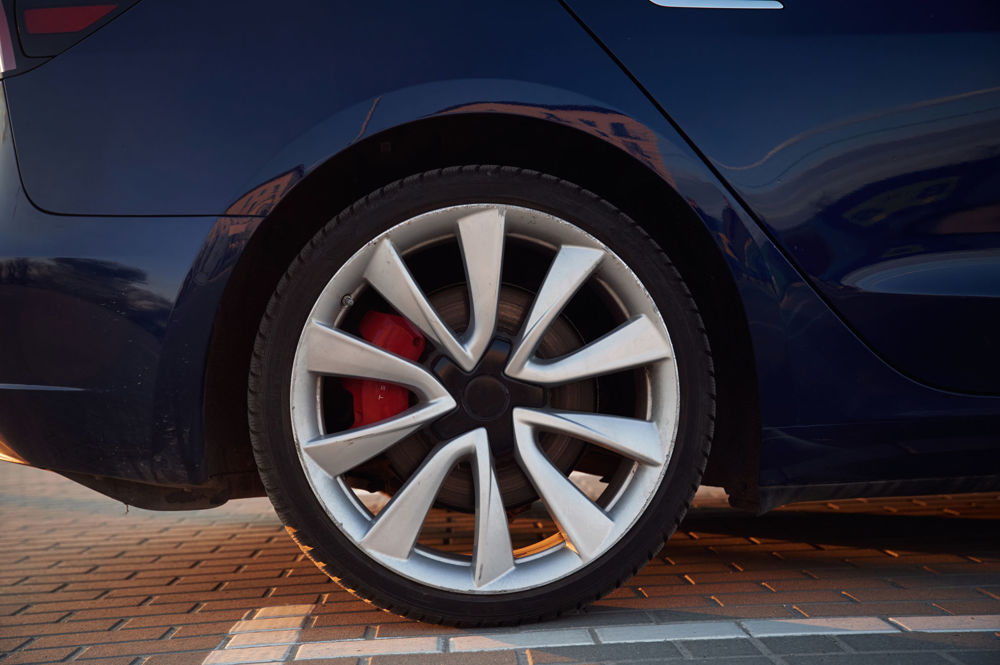
Whenever you hear people mention cars, you will hear terms such as Front Wheel Drive, Rear Wheel Drive, All Wheel Drive, and Four Wheel Drive. It may seem jargon to someone who has not been around long enough and does not really make a difference. But here's the thing. The effect that the drivetrain, or, in other words, the way power is transmitted to the wheels, has on the behaviour of your car is enormous.
It influences grip, fuel economy, performance, and even the level of confidence that one has behind the wheel. Now, in case you have ever wondered what the 4 in forward drive is and why it is not really the same as the 2 in reverse drive, or what the difference between the all-wheel drive and the four-wheel drive is, then we are going to deconstruct it in an easy-to-understand, practical manner.
What Do FWD, RWD, AWD, and 4WD Actually Mean?
On the simplest level, all these words will mean the same thing: the wheels of the engine are powered by the engine.
Front Wheel Drive (FWD) - This is power to the front wheels.
Rear Wheel Drive (RWD) - Power is delivered at the rear wheels.
All Wheel Drive (AWD) - Power is distributed to all four wheels (automatically).
Four Wheel Drive (4WD) - This is a power that is distributed among the four wheels (mostly manually operated or off-road oriented)
That's the foundation. It all depends on how these systems work in actual driving, which affects everything else: performance, grip, and efficiency.
Front Wheel Drive (FWD): The Everyday Practical Choice
Let’s start with the most common one, i.e., Front Wheel Drive. In FWD cars, the front wheels do everything. They pull the car forward and also handle steering.
Why FWD Is So Popular
Most cars you see on Indian roads use FWD, and there’s a reason for that.
Better fuel efficiency
Lower maintenance cost
Easier to drive in traffic
More stable for beginners
Because the engine sits over the front wheels, it improves traction, especially on wet or slippery roads.
Where It Falls Short
FWD isn’t perfect, though.
Not as fun for performance driving
Can struggle with high power output
Steering can feel less precise at high speeds
Still, for daily driving, city traffic, and even highways, FWD works really well.
Rear Wheel Drive (RWD): Built for Performance
Now let’s talk about Rear Wheel Drive. In RWD cars, the rear wheels push the car forward while the front wheels only handle steering.
What Makes RWD Different
This setup creates a better weight balance across the car, which improves handling, especially while cornering. That’s why you’ll often find RWD in:
Sports cars
Luxury sedans
Performance-focused vehicles
Pros of RWD
Better acceleration
Sharper handling
More balanced driving feel
Downsides
Less traction on slippery roads
Slightly higher cost
It can be harder to control if the car loses grip
So, when comparing FWD and RWD, it really comes down to practicality vs. performance.
All Wheel Drive (AWD): Smart Traction for Everyday Use
Now moving to All Wheel Drive. AWD systems send power to all four wheels, but here’s the key part, they do it intelligently. Instead of sending equal power all the time, AWD systems adjust power based on road conditions.
How AWD Feels in Real Life
Imagine driving on a wet road. If one wheel starts slipping, AWD shifts power to the wheels with better grip. That’s why AWD is popular in:
Premium cars
Crossovers and SUVs
Vehicles designed for mixed conditions
Advantages
Better traction in rain, snow, or rough roads
Improved stability
Smoother handling
Limitations
Slightly lower fuel efficiency
Higher cost
More complex system
AWD is like having an automatic safety net; it works in the background without you even noticing.
Four Wheel Drive (4WD): Built for Tough Terrain
Now let’s talk about Four Wheel Drive, often called 4x4. At first glance, AWD and 4WD might seem the same. But there’s a clear difference between AWD and 4WD.
What Makes 4WD Different
4WD is designed mainly for off-road use. It powers all four wheels, often equally, and is usually activated manually or in specific modes.
Where 4WD Is Used
Off-road vehicles
SUVs meant for rough terrain
Adventure and utility vehicles
Advantages
Excellent traction on mud, sand, and rocks
Better performance in extreme conditions
High durability
Downsides
Lower fuel efficiency
Heavier system
Not needed for regular city driving
So, in the debate between AWD and 4WD, AWD is for everyday flexibility, while 4WD is for serious off-roading.
Difference Between FWD and RWD
Let’s simplify the difference between FWD and RWD in real terms.
| Feature | Front Wheel Drive | Rear Wheel Drive |
|---|---|---|
| Power Delivery | Front wheels | Rear wheels |
| Driving Feel | Stable, predictable | Sporty, dynamic |
| Fuel Efficiency | Better | Slightly lower |
| Traction | Good in wet roads | Better in dry conditions |
| Usage | Daily commuting | Performance driving |
So, if your priority is comfort and efficiency, FWD works. If you want driving excitement, RWD stands out.
AWD vs 4WD: What’s the Real Difference?
This is where most people get confused: the difference between AWD and 4WD. Here’s a simple way to think about it:
| Feature | AWD | 4WD |
|---|---|---|
| Operation | Automatic | Manual or selectable |
| Usage | Roads and light off-road | Heavy off-road |
| Comfort | Smooth | Rugged |
| Fuel Efficiency | Moderate | Lower |
| Driving Style | Everyday use | Adventure and off-road |
In short, AWD is for convenience. 4WD is for capability.
Which System Is Best for Indian Roads?
Now the real question is what works best in India? Most Indian drivers deal with:
City traffic
Highways
Occasional bad roads
Monsoon conditions
For this kind of usage:
Front Wheel Drive is the most practical
AWD is useful if you travel often in mixed conditions
4WD is only needed if you go off-road regularly
That’s why most small cars, including models like the Renault Kwid, come with FWD setups.
Where Tyres Fit into All This
Here’s something many people miss. No matter whether your car is FWD, RWD, AWD, or 4WD, your tyres are what actually touch the road. Even the best drivetrain won’t perform properly if the tyres don’t have proper grip.
For example, if you’re driving a compact car like the Kwid, using the right tyres designed for its setup can make a noticeable difference in comfort and control. You can check out this option available here: Renault Kwid Tyres on Shop.Apollo
These tyres are designed to match the car’s driving conditions, helping improve grip, stability, and everyday driving confidence.
How to Choose the Right Drivetrain
Choosing between Front Wheel Drive, Rear Wheel Drive, All Wheel Drive, and Four Wheel Drive really depends on how you use your car. Ask yourself:
Mostly city driving? → FWD
Want performance and driving feel? → RWD
Drive in mixed conditions or hills? → AWD
Love off-roading or rugged terrain? → 4WD
There’s no one “best” option; it’s about what fits your lifestyle.
Also Read: What Is Wheel Alignment? Importance, Benefits & When to Get It Checked
Final Thoughts
Understanding ABS vs. non-ABS cars is one thing, but understanding drivetrain systems like FWD vs RWD vs GWD vs 4WD gives you a deeper sense of how your car behaves. Each system has its own purpose:
FWD keeps things simple and efficient
RWD adds performance and balance
AWD improves traction in tricky conditions
4WD handles extreme terrain
Once you understand the difference between FWD and RWD and the difference between AWD and 4WD, it becomes much easier to choose the right car, or even drive your current one better. Because in the end, it’s not just about power. It’s about how that power reaches the road.
FAQs About FWD, RWD, AWD & 4WD
1. What is the main difference between FWD and RWD?
The FWD and RWD differences are based on the wheels that are powered. FWD engages the front wheels, whereas RWD engages the rear wheels, which affects handling and performance.
2. Is AWD better than 4WD?
AWD vs 4WD comparison would indicate that the AWD is the vehicle to use on normal roads, whereas the 4WD is better in off-road and extreme conditions.
3. Which drivetrain is best for city driving?
Front Wheel Drive is normally the best type of wheels to use in the city since it is more fuel-efficient, requires less maintenance, and is easier to control.
4. Do AWD cars use more fuel?
Of course, All Wheel Drive systems tend to be heavier and more complicated and thus may consume a little more fuel than FWD.
5. Are 4WD cars necessary for Indian roads?
For most drivers, Four Wheel Drive is not necessary. It’s mainly useful for off-road conditions rather than everyday city or highway driving.