

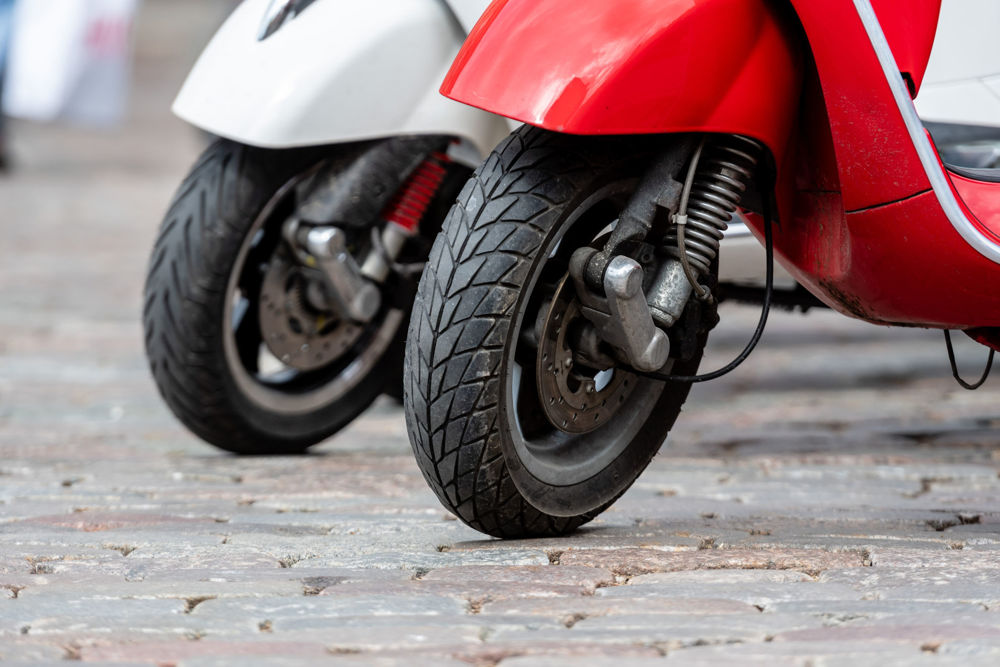
The Honda Activa has been a stalwart of Indian streets for over a decade. Millions of riders rely on it every day for effortless commuting, school runs, weekend errands, and more. What many riders don’t think about often, until something goes wrong, are the tyres. Yet, tyres are the only point of contact between your scooter and the road, and they make a massive difference to comfort, grip, fuel efficiency, and safety.
In this guide, we’ll unpack everything about Activa tyre size, the best tyre for Activa, how to choose them, and recommended tyre pressure for everyday and heavy use. Whether you’re buying replacements for the first time or want to squeeze more life out of your current tyres, this article has you covered.
Understanding Activa Tyre Sizes
Tyre size might seem like a technical specification, but it’s actually quite simple and very important. Getting the right tyre size ensures your scooter handles properly, maintains the correct gearing and speedometer accuracy, and delivers the performance you expect.
A typical Activa runs on:
Activa front tyre size: 90/100-10
Activa back tyre size: 90/100-10
In this notation:
90 is the tyre width in millimeters.
100 is the aspect ratio (height as a percentage of width).
10 is the rim diameter in inches.
These sizes are standard for many Honda Activa variants, ensuring a balanced ride, good cornering, and better stability on Indian roads.
Why Activa Tyre Size Matters
You might ask, “Why not just pick any tyre that fits the rim?” Here’s why:
1. Handling and Stability
If the tyre is too wide or too narrow, your scooter might feel unstable, especially at higher speeds, around corners, or over uneven surfaces.
2. Ride Comfort
The right size maintains the suspension geometry as designed by the manufacturer, translating to smoother rides on potholes and city speed bumps.
3. Braking Performance
Correct tyre diameter ensures the braking system works as intended. Mismatched sizes can affect stopping distances.
4. Speedometer Accuracy
Incorrect tyre sizes change the rolling circumference, leading to inaccurate speed readings, something most riders hardly think about. Understanding your Activa tyre size is the first step toward safer, more confident riding.
How to Choose the Best Tyre for Your Activa
You can’t choose tyres on size alone. You need something that performs well on traffic-filled city roads, manages water during heavy monsoons, and lasts a decent amount of time without needing frequent replacements.
Below are some tips on how to pick the best tyre for your Activa:
1. Priorities Grip and Durability
Look for tyres made with quality rubber compounds that provide a balance between grip and long-lasting performance. Softer compounds offer better grip but wear faster, while harder compounds last longer but can feel less stable on wet roads.
2. Tread Pattern
A good tread pattern channels water away from the contact patch, reducing the risk of hydraulic lock during rains, something every Activa owner in India should care about.
3. Brand and After-Sales Support
Reliable brands ensure consistent quality and have better availability across service centres. Apollo tyres for scooters, including Activa, are widely available and respected for balanced performance.
You can explore options like these from Apollo’s scooter tyre range here:
Apollo Activa Tyres, tyres designed for urban scooters with good grip, longevity, and comfort.
Recommended Tyre Pressure for Activa
Now let’s talk about something even more important than which brand to choose, tyre pressure. Riding with the correct Activa tyre pressure ensures:
Better fuel efficiency
Improved tyre life
More predictable handling
Less chance of punctures
Here’s a general guideline most Activa models recommend:
| Load Type | Front Tyre Pressure | Rear Tyre Pressure |
|---|---|---|
| Solo Rider | 22–24 PSI | 24–26 PSI |
| Rider + Pillion | 24–26 PSI | 26–28 PSI |
This range keeps your tyres at their most effective operating point for typical city use. Always measure pressure when the tyres are cold, first thing in the morning, for an accurate reading.
Why Tyre Pressure Matters
Air pressure isn’t just a number you check once and forget. Here’s why it matters:
Under-inflation leads to excessive flexing of the tyre sidewall, which means more heat, faster wear, and higher fuel consumption.
Over-inflation makes the ride harsh and reduces the tyre’s contact patch, which can lead to poor grip and quicker centre tread wear.
Both conditions can cause uneven tyre wear and reduced safety.
A regular check, once every week or before a long ride, keeps your Activa running smoothly.
How Often Should You Change Activa Tyres?
Even the best tyres don’t last forever. Several factors affect tyre life:
Road conditions
Riding habits
Load carried
Tyre pressure maintenance
Quality of the tyre itself
On average, an Activa tyre could last anywhere from 10,000 to 15,000 kilometres on city roads. If you ride more aggressively, carry heavy loads frequently, or regularly go over rough patches, tyres may wear out sooner.
Look for these signs that it’s time to replace them:
Tread depth is worn down significantly
Cracks or bulges on the tyre sidewall
Uneven wear patterns
Frequent loss of pressure
Reduced grip, especially in wet conditions
When in doubt, visiting a reputable service centre for a professional inspection is always worthwhile.
Quick Tips to Extend Your Activa Tyre Life
You’ve already picked the right size and pressure, that’s great. But a few habits can make a noticeable difference:
1. Maintain Consistent Pressure
Check scooty tyre pressure at least once a week. Urban traffic, heat, and riding over potholes can change pressure quickly.
2. Avoid Heavy Braking
Sudden, hard stops put extra stress on tyres. Smooth braking extends tyre life and improves safety.
3. Avoid Overloading
Scooters aren’t meant for heavy cargo. Besides the suspension, tyre wear accelerates with extra weight.
4. Balanced Riding Style
Aggressive acceleration and cornering increase heat inside the tyre, shortening its lifespan.
How to Read Tyre Markings (Quick Guide)
Tyre sidewalls have a lot of numbers, here’s in plain language what you need for an Activa:
Example: 90/90-10 M/C 50P
90, width in millimeters
90, aspect ratio (height vs width)
10, rim size in inches
M/C, indicates motorcycle/scooter tyre
50P, load index + speed rating
Understanding these markings ensures you don’t accidentally pick a tyre that’s technically the same size but has a different load rating, something especially important for pillion riders or riders who often carry luggage.
Replacing Activa Tyres: What to Expect
When it’s time to replace tyres, the process is straightforward:
Inspect Current Tyres: Look for uneven wear, cuts, nails, or bulges.
Confirm Tyre Size: Match the existing size or refer to the owner’s manual.
Choose Quality Tyres: Consider longevity, grip, and wet performance.
Balance & Align: Always balance tyres and check wheel alignment after installation.
Maintain Proper Pressure: Re-check pressure after installation and on the first few rides.
Good shops will usually handle all this in under an hour.
Common Myths About Activa Tyres
Even experienced riders often believe things that aren’t true. Let’s clear up a few:
Myth 1: Wider Tyres Give Better Grip
Not always. Too wide tyres on a scooter can make steering heavy and reduce agility. Stick with recommended sizes for balance.
Myth 2: Higher Pressure Means Better Mileage
No. Over-inflation reduces the contact patch, harming grip and comfort. Only minor adjustments within recommended ranges help mileage.
Myth 3: Newer Tyres Don’t Wear if You Ride Slowly
Slow riding still causes wear, just slower. Consistent pressure checks and balanced riding are more important.
Wrapping Up: Best Practices for Activa Riders
To sum it up:
Know your tvs apache tyre size equivalent, in this case, Activa tyre size is almost always 90/100-10 for both front and rear.
Use a reliable tyre pressure gauge and follow recommended activa tyre pressure values.
Choose tyres that suit your riding style, be it city commute or occasional highway use.
Proper pressure and periodic inspections delay wear and improve safety.
Don’t skimp on quality, tyres are one of the most important safety items on your ride.
Good tyres make every ride smoother, safer, and more predictable. With the right size and correct pressure, your Activa will continue to be the dependable scooter riders across India love.
FAQs on Honda Activa Tyres
Q1. What is the correct Activa tyre size for daily city riding?
Ans. The common Activa tyre size for most of its models is 90/100-10 for both front and rear tyres. It also gives a nice balance of grip and comfort for the day to day city commute. Be sure to check the both the Activa front tyre size and Activa back tyre size detailed in your owner’s manual just to be safe, as getting the wrong size can disrupt handling and working of braking system.
Q2. Which tyre is best for Activa if I ride mostly in traffic and rain?
Ans. So, when you decide which tyre is best for Activa, make sure that it has a dependable tread pattern for wet grip, long-lasting rubber compound and high mileage. Those lobes in the city are having advantage of equipped tyres made for start-stop, as well as rough road conditions. Activa Tyre best for predictable handling, less noise and stable braking rather than sporty aggressive performance.
Q3. What is the recommended Activa tyre pressure for solo and pillion riding?
Ans. Activa tyre pressure, ideal under load. For single rider riding set the front tyre pressure to between 22–24 PSI and the rear to between 24–26 PSI. For pillion, you can bump it up to 24-26 PSI in the front and 26-28 PSI in the rear. Correct pressure reduces fuel consumption, enhances vehicle control and prevents premature tread wear.
Q4. How often should Activa tyres be replaced?
Ans. Usually, the Activa tyres can go up to 10,000-15,000 km, that depends on condition of the roads on which it is driven and riding style and also proper maintenance. Even if the tread is useable, tyres should be replaced when cracks form, grip is lost in wet conditions or pressure loss occurs more often. Make sure pressure checks are made regularly as well and never overload and can get more life out of your tyres enjoying safer rides.