

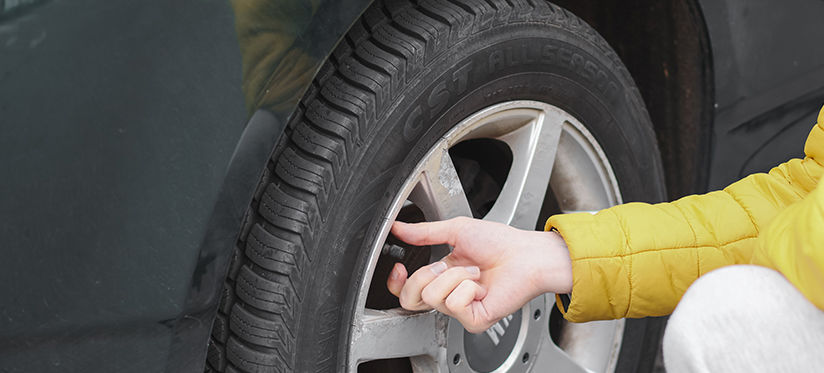
Whether you are replacing worn-out tyres or simply upgrading for better performance, one thing every car owner should know is how to identify new tyres. Tyres represent the only point of contact between your car and the road, and their freshness, condition, and manufacturing details are more significant than most people might assume. A brand-new tyre performs very differently from one that has been sitting in a warehouse for years, and knowing the difference helps you make better buying decisions.
Most people think that if a tyre looks new, it should be new. But here is a fact: some tyres may look brand new on the outside yet are much older than they appear. Their rubber ages with time, even when it is not driven on. Knowing how to check if tyre is new and checking their manufacturing details will help one avoid long-term problems.
Let's break this down in a simple, practical way, so the next time you buy new tyres, you know exactly what you're getting.
Why Does It Matters to Buy New Tyres?
Before getting into identification, it is important to understand why people prefer buying new tyres in the first place. Newly manufactured tyres offer optimal grip, shorter braking distances, and more comfort during the ride. These benefits of new tyres are felt even more during sudden braking, at high speed, and on long highway trips.
New tyres also provide:
Better fuel efficiency because of more flexible rubber
Less noise on the road
More predictable handling
A longer overall life span
That brings us to another common question: how long should new tyres last?
On average, a brand-new tyre lasts for 40,000 to 60,000 km, depending on driving style, road conditions, maintenance, and tyre quality. But this only applies if the tyre actually was new at the time of mounting, not several years old.
How to Identify New Tyres: What to Look For
If you're standing in a tyre shop or browsing online, here’s exactly how to identify new tyres and make sure you're not getting old stock.
1. Check the Manufacturing Date (DOT Code)
Nearly all tyres have a DOT code printed on the sidewall. The final four digits in the sequence specify when the tyre was produced.
For instance:
DOT XXXX 1224
This means the tyre was manufactured in the 12th week of 2024.
Generally, tyres manufactured within the last 6–12 months are considered new. A tyre that has never been used but is already 3–4 years old falls into the “aged stock” category.
This is one of the most reliable answers to what is the tread depth of a new tyre and how to confirm their freshness.
2. Check the Tread Depth
Another big clue is the tread depth. This makes many car owners wonder: what is the tread depth of a new tyre?
A typical new tyre has:
8 mm to 9 mm tread depth for passenger cars
10 mm or more for SUVs
If the tread depth feels shallow or uneven, it’s not fresh. Some tyres feature tread-wear indicators, if these are faint or barely noticeable, you're looking at new stock.
3. Check for Vent Spews (Rubber Hairs)
Those small, hair-like rubber spikes on tyre surfaces are called vent spews. New tyres usually have them intact.
Missing spews often indicate handling or prior usage.
4. Look for Crisp Edges and Sharp Grooves
New tyres always have fresh, sharp grooves.
Signs a tyre isn’t new:
Rounded edges
Dull or faded rubber
Glossy surface from sitting too long
These signs show the tyre is older than it appears.
5. Inspect the Sidewall for Scratches or Scuffs
A new tyre’s sidewall is clean and smooth, with no buff marks or faded patches. If you notice blemishes, it may have been used or stored poorly.
How New Tyres Should Feel on the Road
Once installed, fresh tyres make an immediate difference. The car feels smoother, the steering reacts better, and vibrations reduce significantly. If your car still vibrates excessively even after balancing, the tyre may not be as new as advertised.
How Long Should New Tyres Last?
The most frequently asked question is: how long should new tyres last?
Average lifespan:
City use: 45,000–55,000 km
Highway use: 50,000–60,000 km
Rough roads: 35,000–45,000 km
Lifespan depends heavily on:
Road quality
Driving behaviour
Regular rotation and alignment
Even good tyres deteriorate faster if neglected.
Why Old Tyres Sold as New Are a Problem
Some retailers try to clear old inventory by selling it as new. This is risky:
Rubber hardens with age
Grip reduces
Sidewalls crack faster
Tyres lose flexibility
That’s why checking the DOT code is essential.
How to Check If a Tyre Is New: Quick Checklist
Use this simple basic car maintenance checklist for tyres:
DOT code is recent
Tread depth is 8–9 mm
Visible vent spews
No cracks or scuff marks
Rubber feels firm but flexible
Edges and grooves are sharp
If most of these check out, the tyre is genuinely new.
Benefits of New Tyres You Should Know
Installing new tyres gives your car a noticeable performance boost.
1. Better Road Grip
Fresh rubber molds better to road surfaces.
2. Shorter Braking Distance
Especially important during wet-road braking.
3. Better Mileage
Lower rolling resistance improves fuel efficiency.
4. Safer Everyday Driving
Fresh tread manages water, gravel, and uneven surfaces better.
5. Less Noise and Vibration
Older tyres become hard and noisy, new ones ensure comfort.
Common Mistakes People Make When Buying New Tyres
Only checking price
Ignoring DOT code
Not measuring tread depth
Buying old stock during discounts
Not matching tyre size with vehicle manufacturer recommendations
A tyre may look shiny yet still be years old.
How Tyre Shops Sometimes Mislead Buyers
1. Selling Old Stock as New
Aged tyres appear unused but lose quality.
2. Selling Display Tyres
These are often sun-exposed and dusty.
3. Polishing or Repainting Tyres
Artificial shine doesn’t mean freshness.
That’s why careful inspection matters.
How to Extend the Life of New Tyres
You’ve invested in new tyres, here’s how to protect them.
Keep tyre pressure in check
Rotate every 8,000–10,000 km
Ensure wheel alignment is correct
Avoid harsh braking and speeding
Inspect tyres regularly
These habits extend tyre life and boost safety.
Also Read - When to Replace Car Tyres?
Final Thoughts
Buying tyres isn’t just routine maintenance, it’s a safety decision. Knowing how to check if tyre is new, understanding what is the tread depth of a new tyre, and being aware of the real benefits of new tyres ensures you always get genuine fresh stock.
Fresh tyres mean:
Better braking
Improved fuel efficiency
Greater comfort
Longer lifespan
Peace of mind
Once you learn how to identify new tyres, you’ll never be misled at a tyre shop again.
FAQs on New Tyres
Q1. How do I know if the tyres installed in my car are really new?
Ans. Always check the DOT code, its last four digits display the week and year of manufacture. Fresh tyres also have strong tread depth (8–9 mm), visible vent spews, crisp grooves, and clean sidewalls. If edges seem rounded or the rubber looks faded, the tyre may be old stock even if unused.
Q2. What is the tread depth of a new tyre and why does it matter?
Ans. A new tyre usually has 8–9 mm tread depth, which ensures proper grip, better water evacuation, shorter braking distance, and safer handling. If the tread looks shallow, uneven, or partially worn, the tyre is either old or stored improperly. Always measure tread depth before installation.
Q3. How long should new tyres last under normal driving conditions?
Ans. Most new tyres last 40,000–60,000 km or 4–5 years depending on driving behaviour, tyre pressure, road conditions, and maintenance. Rotating tyres regularly, avoiding sudden braking, and keeping proper air pressure significantly extend tyre life. Even the best tyres wear out faster with poor maintenance.
Q4. What are the benefits of new tyres over older or long-stored tyres?
Ans. New tyres offer maximum grip, shorter braking distance, smoother rides, better fuel efficiency, and predictable handling. Even unused tyres stored for years lose elasticity and become unsafe because rubber hardens over time. This is why choosing freshly manufactured tyres is always the safer and smarter option.