

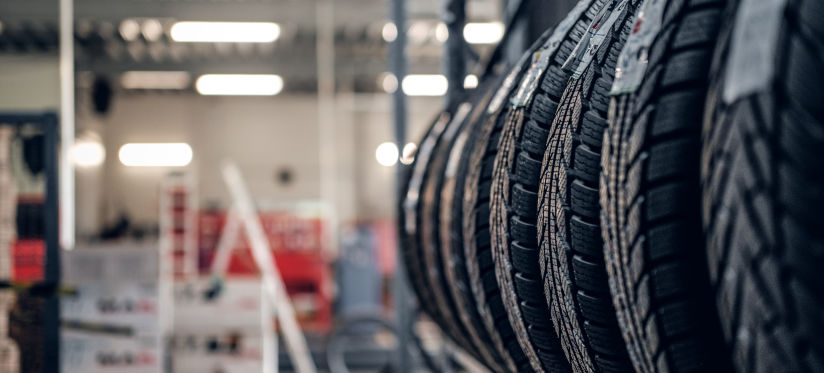
 You get the rush of speeding along open roads, the wind caressing your face, and that vibration of the engine harmonizing with your heartbeat? Well, behind that silky ride lies an unsung hero, your bike tyres. They're not merely round pieces of rubber, they're what keep you stable, secure, and in command. And here's the twist: having proper bike tyre sizes and proper bike tyre pressure can either make or break that idyllic ride.
Most riders believe it is all about fuel and service for the engine, but actually, tyres shout louder in the realms of performance as well as safety. It is for this reason that having an idea about the correct two wheeler tyre pressure chart and the range of tyres sold in India is more important than we credit. Let's drill a little further.
Why Bike Tyre Sizes Matter
Imagine slipping into shoes that don’t fit. Too tight and you’re in pain, too loose and you’re tripping all the way. That’s exactly how your bike feels with the wrong tyre size. Bike tyre sizes determine stability, grip, and the comfort level of your ride. A mismatch can affect balance while cornering, braking distance, and even fuel efficiency.
Now, in India, bikes are available in various types, commuter bikes, sporty bikes, cruisers, and scooters. Each type has a tyre size range of its own. A 100cc commuter won't share the same tyre as a 350cc Royal Enfield, right? Even an almost identical mismatch in size can cause uneven wear or bad handling. And riders tend to forget that companies specify sizes for a reason. Stick to those.
So, before you go into a tyre shop or shop online, always refer to your bike manual. It states the correct tyre size, and afterward isn't just a courtesy, it's making your machine perform the way it was intended. Anything else is just a waste of money.
The Importance of Correct Tyre Pressure in Bikes
Here's something riders often forget: the air in your tyres is just as valuable as the rubber. Too low or too high, and your ride is affected. The correct tyre pressure in bike ensures that your tyres are long-lasting, give the proper grip, and maintain fuel efficiency levels in balance.
Low bike tyre pressure causes your tyres to flex excessively. This generates heat, shortens the life of your tyres, and even leads to a blowout. Alternatively, overpressure makes your ride stiff and takes away road contact. Both conditions threaten your safety.
What's fascinating is that even a mere 2–3 PSI change can affect the handling of your bike. Highway journeys on long stretches with a pillion passenger? You might need to tinker with it. Commuting in the city every day? Keep it as per the manufacturer's instructions. It's not a one-for-all situation, hence you need to regularly check the bike tyre pressure chart and keep it consistent.
Imagine it as your own fitness. A bit too much or less does not feel comfortable, but a balance makes everything easier.
Recommended Bike Tyre Pressure in India
Now, let's come closer to home. For Indian roads, with potholes, abrupt brakes, and bumpy patches, the right air pressure in bike tyres in India is even more crucial. Manufacturers have in mind our conditions, not ideal highways, when they develop their recommendations.
Most commuter bikes need anywhere between 25–28 PSI for the front and 30–35 PSI for the rear. Scooters usually range around 22 PSI in the front and 28 PSI in the rear. But these numbers shift a bit when you’re carrying a pillion or luggage. That’s why the two wheeler tyre pressure chart is like a guidebook every rider should peek into once in a while.
And here's a little trick that many experienced riders follow, always check the pressure when the tyres are cold, ideally in the morning. Riding heat causes pressure to rise temporarily, which might provide a false reading. Maintaining this habit keeps you from under- or over-inflating your tyres.
Bike Tyre Pressure Chart for Popular Indian Bikes
Let's get to the numbers. Here is a handy reference bike tyre pressure chart for some of the most popular two-wheelers in India. Don't forget to check with your owner's manual too.
| Bike Model | Front Tyre Pressure (PSI) | Rear Tyre Pressure (PSI) |
|---|---|---|
| Hero Splendor Plus | 25 | 32 |
| Bajaj Pulsar 150 | 25 | 30 |
| Honda Activa | 22 | 28 |
| Royal Enfield Classic 350 | 28 | 32 |
| TVS Apache RTR 160 | 25 | 30 |
This chart is only a snapshot. Slightly different trims or higher versions might vary minutely, so don't consider it one-size-fits-all. But it gives you a good idea of how tyre pressure in bike differs based on the model and segment.
Having a laminated copy of this chart in your garage or on your phone can be a useful reminder before embarking on those long road trips. After all, every little bit helps when it comes to two-wheeler safety.
Why Checking Tyre Pressure Regularly Is a Must
So, you’ve seen the chart and understood the basics. But here’s the reality, most riders check their bike tyre air pressure only when the bike “feels off.” That’s like waiting to drink water only when you’re dizzy from dehydration. Not smart, right?
Regular checks of bike tyre air pressure guarantee your tyres do not wear out early and fuel efficiency remains in place. Even a monthly inspection will save you money on petrol and prolong tyre life by thousands of kilometers. Tyres tend to lose a bit of pressure with time, and India's changing weather conditions (blazing summers to freezing winters) only worsen it.
A routine of quick stops at your local fuel pump, or better still, with a compact portable gauge, will keep you in command. It's such a small effort for such an enormous difference in safety and performance.
Also Read - When to Change Your Bike Tyres: Life, Signs & KM-Based Guide
Wrapping It Up
So, whether you’re zipping through crowded city lanes or cruising on long highways, your tyres play the lead role in how safe and smooth that ride feels. Knowing your bike tyre sizes and following the right bike tyre pressure chart is like giving your bike a health check. Ignore it, and you’ll find yourself dealing with uneven wear, poor mileage, and even dangerous situations.
The take-home message? Look after your tyres. They're the sole contact your bike has with the ground, remember? Keep them in the right pressure, keep them the correct size, and they'll look after you on every ride.
FAQs
Q1. Why is proper bike tyre pressure so vital to daily cyclists?
Ans. Proper bike tyre pressure keeps the tyre in its intended shape, assisting with road traction, mileage, and brake efficiency. Under-inflated tyres generate rolling resistance, burn fuel, and cause handling to become unstable. Over-inflation, conversely, decreases grip and creates a harsh ride. For average riders, maintaining the recommended two wheeler tyre pressure chart isn't only a technical aspect, it's the difference between a safe journey and a dangerous risk.
Q2. How do I know if my bike tyre sizes are correct?
Ans. Measuring bike tyre sizes is easy. The owner's manual of your bike indicates the right size for front and rear tyres. You could also look at the sidewall of the tyre that shows information such as width, aspect ratio, and rim diameter. When the size is not the recommended one, you can expect to experience low mileage, improper tyre wear, and compromised safety. Selecting the manufacturer-specified size provides stability, comfort, and longevity to your daily commutes and weekend drives equally.
Q3. How frequently should I check the bike tyre air pressure in India?
Ans. As much as possible, bike tyre pressure should be checked every two weeks, or at least monthly. Pressure is lost due to Indian roads, temperature fluctuations, and everyday wear faster than anticipated. Always check pressure when tyres are cold, ideally before heading out. Frequent checks prevent blowouts, enhance fuel efficiency, and enhance tyre life. Forgetting tyre pressure is forgetting engine oil, it may go, but not for long without hassle.
Q4. Is it okay to use the same tyre pressure for solo riding and with a pillion passenger?
Ans. Not quite. Solo riding and riding with a pillion load on the bike. When you have extra weight, whether a pillion or load, the rear tyre particularly requires additional air to support the weight. This is where the bike tyre pressure chart comes in handy, it provides different values for solo and loaded travel. If you neglect this, tyres can overheat, degrade more quickly, and lose control. A slight change in PSI is very much a difference in safety and comfort.