

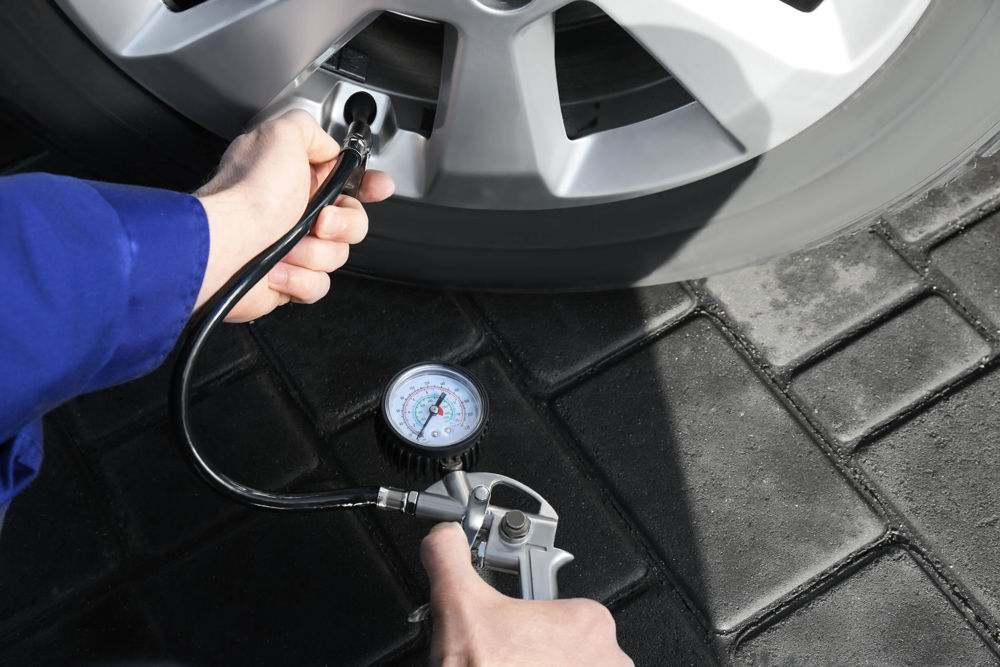
Tyre maintenance has been one of those never-constantly practice routine that most people acknowledge is paramount. Your tyre pressure goes unchecked, warning signs are dismissed and problems tend to be identified only once something feels off. That’s about to change. Knowing that TPMS is now an essential in new vehicles, tyre vigilance cannot be taken for granted.
The addition of the TPMS represents a change in drivers communication with their car. They're not going to have to play silly-buggers with guesswork or visual checks, cars are finally going to tell drivers when tyre pressure falls below what's acceptable. This is set to enhance safety, fuel consumption and tyre life, but it also affects the way we manage your day-to-day tyre maintenance.
Let’s take a look at what TPMS is, why it’s being mandated, how TPMS works as well as what this change will mean for Indian car owners.
What Is TPMS and Why It Matters
In short, TPMS (tyre pressure monitoring system) is a safety feature that monitors the air pressure inside of your tyres and informs you when it has fallen below the optimum level. Most drivers had to manually check them from time to time, or wait for physical symptoms such as an unevenly worn steering wheel.
The flaw in that approach is straightforward. Often, when you become aware that something is not right, the tyre has long been operating at incorrect pressure. The result is poor grip, greater fuel consumption and quicker tyre wear.
TPMS means the car will monitor for you. And as soon as tyre pressure falls, the warning lamp or message is displayed on the dashboard - so no time is lost topping them up.
Is Tyre Pressure Monitoring System Mandatory in India?
Yes, and that’s a big change.
Under new safety regulations for vehicles, Indian cars will have to include TPMS as standard fitment in the coming years. This brings India in line with international automotive safety standards, and use of a large number of accidents caused by the factors related to tyre.
So, if you’re wondering is tyre pressure monitoring system mandatory, the answer is yes for new vehicles manufactured under the updated norms. Over time, this will become standard across most passenger vehicles sold in the country.
Older cars won’t be required to retrofit TPMS, but many owners may choose to install aftermarket systems once they see the benefits.
How TPMS Works in Real Driving Conditions
Understanding how TPMS works helps drivers trust the system rather than ignore warning lights.
There are two common types of systems:
Direct TPMS
This system uses sensors fitted inside each tyre, usually attached to the valve stem. These sensors measure actual tyre pressure and send data directly to the vehicle’s computer. If pressure drops, the system immediately alerts the driver.
Indirect TPMS
Instead of pressure sensors, this system uses wheel speed sensors from the ABS system. A tyre with low pressure rotates differently, and the system detects this variation. While indirect systems don’t show exact pressure values, they still warn when something is off.
Both systems serve the same purpose: alerting the driver early, before underinflation causes serious damage.
How Mandatory TPMS Will Change Tyre
Maintenance Habits
For most drivers, TPMS will act like a constant reminder to take tyres seriously. Here’s how it will change everyday maintenance:
No More Guesswork
Drivers will no longer rely on visual checks or “feel” to judge tyre pressure. TPMS removes uncertainty by giving clear alerts.
Faster Problem Detection
Slow leaks, punctures, or valve issues are detected early, often before the tyre looks visibly flat.
Better Tyre Life
Driving with incorrect pressure is one of the biggest reasons tyres wear out early. With TPMS, pressure stays closer to optimal levels, extending tyre life.
Improved Fuel Efficiency
Underinflated tyres increase rolling resistance, forcing the engine to work harder. TPMS helps maintain correct pressure, improving mileage.
TPMS and Its Impact on Safety
The tyre pressure has a large influence on braking distance, grip and vehicle stability. Low air pressure increases stopping distances and the chances of tyre failure, particularly when driving fast.
By warning drivers in advance, TPMS minimises the risk of a blowout and loss of control. This is especially relevant on motorways, for long journeys and in hot weather when tyre pressure changes more these frequently.
In Indian roads (most) where the conditions change every 100m and potholes are abundant, the TPMS is an added safety feature that you might not consciously realise, but subconsciously feel you needed.
Does TPMS Replace Manual Tyre Checks?
This is where many drivers get confused. TPMS is helpful, but it doesn’t eliminate the need for regular checks.
TPMS tells you when pressure is wrong, not why. You still need to inspect tyres for:
Cuts or sidewall damage
Uneven tread wear
Embedded objects
Valve issues
Think of TPMS as an assistant, not a replacement for responsible tyre care.
Common TPMS Warnings Drivers Shouldn’t Ignore
Once TPMS becomes standard, drivers need to understand what the warnings mean.
Constant warning light: Tyre pressure is low and needs immediate attention
Flashing warning: System malfunction or sensor issue
Warning after tyre change: TPMS reset or recalibration required
Ignoring these warnings defeats the purpose of the system and can still lead to tyre damage.
Maintenance Considerations for TPMS-Equipped Cars
TPMS adds convenience, but it also brings a few maintenance considerations:
Sensors have batteries that last several years but eventually need replacement.
Tyre changes must be done carefully to avoid damaging sensors.
TPMS recalibration may be needed after tyre rotation or replacement.
These are minor adjustments compared to the benefits, but they’re important for smooth long-term ownership.
TPMS and Tyre Replacement Decisions
With TPMS, drivers often become more aware of gradual pressure loss. This leads to earlier tyre inspections and better-informed replacement decisions.
Instead of waiting for visible wear or sudden failure, drivers can track tyre health more consistently. This results in safer driving and fewer unexpected breakdowns.
Also Read - Car Dashboard Warning Lights Explained
Final Thoughts
There are more compelling reasons for going to mandatory TPMS in Indian cars than just adding another light on the dashboard. It’s about changing driver behaviour. By making under-inflated tyre pressures visible and unavoidable, TPMS will promote safety in every vehicle, the proper use of a tyre-pressure gauge, and better driving habits.
Knowing what is TPMS, how does TPMS work, and responding properly to notifications will become standard practice for car owners. For drivers that do care about their tyre’s health, TPMS can be a useful aid. For everyone else, it’s a reminder they can no longer avoid.
FAQs on TPMS and Tyre Maintenance
Q1. What is TPMS and why is it important?
Ans. TPMS is an acronym for tyre pressure monitoring system. It monitors tyre air pressure, warning drivers if it falls below the safe level. This reduces unsafe over-inflation and under-inflation as well as potential damage to tyres, premature wear and accidents due to insufficient tyre pressure.
Q2. Is tyre pressure monitoring system mandatory for all cars in India?
Ans. TPMS is a requirement on all new cars under updated safety regulations. It is not mandatory right now in older vehicles, but a lot of people opt for an aftermarket system for available safety and convenience features.
Q3. How does TPMS work while driving?
Ans. TPMS accomplishes this either through pressure sensors mounted within the tyres or by wheel speed data. When pressure moves beyond recommended levels, the system throws a warning on your dash so you can address it there and then.
Q4. Can I rely only on TPMS for tyre maintenance?
Ans. No. TPMS serves a purpose by monitoring pressure, but it doesn’t take away the need for eye inspections. Drivers should of course continue to look under their cars at tyres to check that there are no cuts, uneven wear and damage such as bubbles before they go on long journey.
Q5. Will TPMS improve fuel efficiency?
Ans. Yes. The right pressure minimises rolling resistance, and the engine has to work less hard. Ultimately this means better fuel consumption and lower tyre wear.