

We often only notice our tyres when something goes wrong. Like the times when you find yourself on a slippery road on a rainy evening and the car just about slips at one moment. When such things do not occur, we generally do not give a second thought to our tyres. The truth of the matter is that they are in action continuously whenever we accelerate, brake or take corners and the one single factor that determines how successfully the car obeys our every command is the way our tyres act upon the road surface.
Modern cars have big engines, sophisticated braking systems and lots of electronic gadgets, but none of that really makes any difference if the tyres are not capable of maintaining contact with the road surface. It’s the only part of the car that actually makes contact with the road and the whole performance of the car is, to a large extent, determined by that small area of rubber.
It's relatively rare for drivers to actually give any thought to how a tyre grips the road. Why is it easy to drive on one surface but not another? Why is it suddenly much harder to drive in the rain? In reality it all comes down to friction, rubber and the condition of the road surface and Tyre Revolutions aim to help drivers understand this.
Let’s break it down in a simple way.
Understanding What Tyre Grip Actually Means
In plain English, tyre grip is defined as the interaction between the surface of the road and the surface of the tyre. In other words, it is the relationship between the tyre and road surface that gives the ability to stay in contact with each other while the vehicle is in motion. Effective grip between a car’s tyre and the road surface aids in transferring forces between the car and road and plays a huge role in the car’s ability to either accelerate, brake or corner.
But as grip reduces, the tyres begin to slip and you may start to feel the steering wheel lighten or have to push harder on the brake pedal to stop the car. Several things influence how much grip a tyre can generate:
the rubber compound used in the tyre
tread design and depth
the vehicle’s weight distribution
weather conditions
the type of road surface
Sometimes even small differences in these factors can change how the car behaves.
How Does Tyre Grip Work?
So, how does tyre grip actually work? Well, it starts with the tyre bearing down on the road as it turns. And while roads may seem smooth when you look at them there is always some sort of texture or bump in the pavement.
Road surfaces that contain many uneven surfaces provide ample area for the rubber from the tyres to grab. This ‘grabbing’ with the rubber is called friction. In fact, the term friction comes from the word “fricere”, which is Latin for to rub. Tyres have friction between them and the surface of the road which prevents them from slipping over the surface of the road. There are actually two types of grips happening at the same time.
One is mechanical grip. The rubber slightly bends and fits into the microscopic rough patches on the road surface, almost like puzzle pieces fitting together.
The second is adhesive grip. This is provided by the stickiness between the rubber molecules and the road surface. Softer tyres generally provide more adhesive grip. That is why softer compounds are used in sports cars. Both of these works together to give road grip for stable motion of the vehicle.
The Role of Tyre Tread
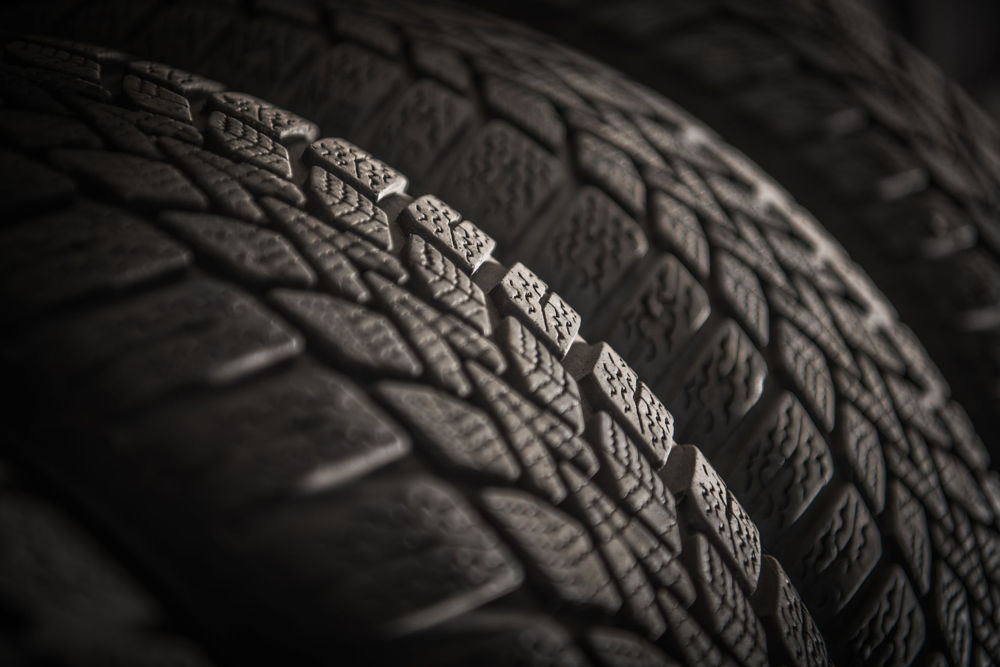
A design element of modern tyres, the tread pattern can quite rightly be considered one of the most important. Taking a closer look at a tyre, you'll notice a series of grooves and patterns cut into the rubber. An aggressive tread design is given this title, but its uses go far beyond simple aesthetics.
Tread helps keep the tyres in contact with the road surface by dealing with the water, dirt and grime that can collect between the tyre and the road.
During the rain, they help direct water away from the surface of the tyre. If the tyre had no grooves, water would continue to pool on the pavement under the tyre, increasing the risk of aquaplaning.
As your tyres deteriorate, their tread depth gradually reduces. When a tyre’s tread depth is reduced, it can begin to lose the ability to stay in contact with the road and therefore provide sufficient tyre grip, particularly on slippery roads like those when wet. So, what was once a smooth and comfortable drive on dry pavement, can turn into a precarious journey in the wet when the tyres are in a state of poor condition.
How Different Road Surfaces Affect Grip
One interesting factor is how tyres behave on different surfaces of the road. You can be using the same tyre on your car, but it may behave very differently depending on the road you are on.
1. Asphalt Roads
Highways are almost always made of asphalt. The rougher texture of the asphalt surface usually provides good traction or grip for tyres, which is one reason why you can drive so smoothly on well-maintained highways. Fresh asphalt surfaces are particularly good at generating road friction.
2. Concrete Roads
Concrete is a harder, smoother surface than asphalt. Concrete surfaces take longer to deteriorate than asphalt surfaces, but can have a slightly lower coefficient of friction, which results in a longer braking distance for drivers.
3. Wet Roads
Rainwater is very slippery to tyres. Water reduces the friction between the tyres and the road. When a thin layer of water forms between the tyre and the road surface, friction between them decreases. If the tyre cannot displace the water quickly enough to the sides, hydroplaning will take place. That’s when the tyres temporarily lose contact with the road.
4. Gravel and Loose Roads
You might have noticed that loose surfaces like gravel and sand can make driving a bit of a nightmare. But why? The reason is because your tyres can’t create traction with a loose surface, because there is no solid ground for them to connect to. Instead, they tend to just push the loose stones and sand around which can make for quite an unstable drive. Drivers should slow down significantly on such different road surfaces.
5. Muddy Roads
Mud is perhaps the worst surface that you could drive on. It has a huge slippery effect which lowers the coefficient of friction, which means the tyres have a lot of work to get some grip on the road. In that regard, many off-road vehicles use higher profile tyres to try to counteract this effect.
Why Road Friction Is So Important
It all comes down to road friction, which in turn is dependent on how the tyres on your vehicle interact with the road. Think about what happens during normal driving:
When accelerating, tyres push against the road to move forward.
When braking, tyres resist motion to slow the car.
When turning, tyres hold the road to keep the vehicle stable.
Without adequate road friction, tyres cannot perform these actions properly.
And that’s when problems start.
Environmental Factors That Affect Grip
Grip isn’t caused by just the tyres and the road surface. The weather also has a role to play.
Road Surface Temperature affects a number of aspects of tyre performance, including the flexibility of the rubber. When the tyre is warm the rubber is softer and the tyre is able to follow the contours of the road surface more closely, thus providing a better tyre to road interface.
Cold temperatures can make tyres harder, reducing traction. Dust and oil can also be present on the road surface which also can affect road grip even if the road appears dry.
What Drivers Can Do to Maintain Good Tyre Grip
While drivers cannot change road conditions, they can take a few simple steps to maintain optimal tyre grip.
First, maintain proper tyre pressure. Both underinflated and overinflated tyres reduce the tyre’s contact patch with the road.
Second, regularly inspect tyre tread. If the grooves become shallow, the tyre loses its ability to maintain traction on wet roads.
Third, replace tyres when they become too old. Rubber hardens with time and cannot generate the same level of road friction.
And finally, adjust driving behaviour according to road conditions. Slower speeds and smoother inputs help tyres maintain grip more easily.
Why Understanding Road Surfaces Makes You a Better Driver
Many accidents happen not because drivers are inept, but because they fail to recognize how much the road surface can affect traction.
A perfectly dry road for driving may turn slippery during rain or the dust accumulated on it during the off-season can make one lose their grip. Realising how various road surfaces affect the grip of their tyres helps drivers modify their behaviour and lessen risk. Literally, just slowing down a bit can work wonders.
Also Read: Tips for Driving Safely in Rain and Wet Weather
Final Thoughts
At the end of the day, it's tyre grip that ensures every journey is made safely. You maintain control of an automobile from how tires react from accelerating at traffic lights to braking suddenly in an emergency; the key factor is friction and surface contact.
Having knowledge of how tyre grip works, which forces are in play with regards to road friction as well as monitoring the state of the road can empower drivers to make better decisions while driving.
Automakers might be pouring new technology into cars, but the fundamental principle remains, tyres need to remain connected to the road. And when they do, all other things work as normal.
FAQs About Trip Grip
Q1. What is tyre grip?
Ans. Tyre grip refers to the traction between tyres and the road surface that allows a vehicle to accelerate, brake, and turn safely.
Q2. How does tyre grip work?
Ans. In simple terms, tyre grip is actually a result of friction found between rubber and the road. The rubber on the tyre interacts with microscopic textures on the road to generate traction.
Q3. How do different road surfaces affect tyre grip?
Ans. Different surfaces on the road will provide different levels of traction. Asphalt usually decent grip gravel mud or wet roads correspondingly lowers the friction making tyres more likely to slip.
Q4. Why is road friction important?
Ans. Road friction enables the transfer of forces between tyres, the vehicle and the road. Its absence would render the vehicle unable to accelerate, brake or steer properly.
Q5. How can drivers maintain better tyre grip?
Ans. Properly inflated, the tread on a tyre should be monitored regularly and worn tyres replaced so that drivers can maintain maximum grip when cornering.