

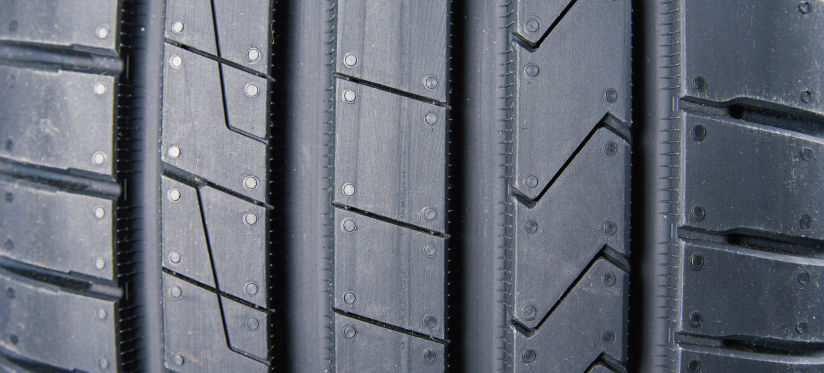
 Have you ever noticed your vehicle gliding a little too smoothly over a wet surface, making you question its safety? That’s precisely when your tyre’s tread patterns come into action to maintain control and stability. They are just random grooves or designs on your tyres, but trust me, they are more than just aesthetics. The tyre tread pattern determines how your vehicle corners, brakes, and handles on all types of surfaces.
Imagine it as the shoes you wear. You don't walk for trekking in flip-flops, do you? Same principle here. Tyres, similarly, require the appropriate type of tread for the appropriate road. Let's get deep into this and learn about the meaning of tyre tread, the tread pattern types, and why this is all important for your daily driving.
What Is Tyre Tread & Why Is It Important?
Before we get to types, let's get back to basics, what is tyre tread? The tread is the surface on the outside of a tyre that makes contact with the road. It consists of grooves, blocks, and channels, all carefully constructed to provide you with grip, stability, and safety.
Without adequate tyre tread, your car would slide on the wet road, fail to brake, and even become unstable while turning. The patterns are far from random; they're designed with science and accuracy, considering various conditions of the road. It's like a handshake between your tyre and the road. A firm grip translates to safe driving, but a weak grip leads to problems.
And here’s a fun fact: tread depth is just as important. Worn-out treads are like worn-out shoes. They may still function, but one rainy day, you’ll realize how unsafe they’ve become.
Different Types of Tyre Tread Patterns
Okay, so now that we've learned about tyre tread meaning, let's delve into the tread pattern types. This is where things get fascinating. Every pattern serves a purpose, and understanding them can actually guide you to select tyres according to your driving habits.
1. Symmetrical Tread Pattern
This is the most common type you’ll see on everyday cars. Both halves of the tread are mirror images, which means they wear evenly and last long. A symmetrical tyre tread pattern is quiet, smooth, and ideal for city driving or highways.
But there's a catch, they're not necessarily performance heroes. You won't see exceptional grip on tight corners or in really bad weather. Still, for the vast majority of normal drivers, this pattern gets by without complaint.
2. Asymmetrical Tread Pattern
Now, this one is a combination of two worlds. The inner surface of the tread manages water dispersion (to avoid hydroplaning), and the outer surface provides you with grip and stability when cornering. Asymmetrical tread pattern of tyres is typically used on sports cars or luxury vehicles.
It's a shoe that's half running sneaker, half dressy loafer. A bit stylish, highly practical, and ideal for drivers who need comfort as well as performance.
3. Directional Tread Pattern
This is where things appear trendy. A directional tyre tread bears a V-shaped or arrowhead pattern. This kind of pattern is specifically meant to push water away fast, providing great performance in rainy weather.
But, and this is crucial, they can be mounted only in one direction. You cannot simply swivel them in whatever direction you desire. Drivers who reside in rainy locations or desire that sporty flair like these. And, to boot, they are aggressive-looking, and who doesn't love that?
4. Mixed or Hybrid Patterns
Now and then, manufacturers mix more than one type of tread pattern into a single tyre in order to provide the best of several worlds. It may be half asymmetrical, half directional. They are specialized to meet particular requirements, possibly high-speed traction with silent highway cruising.
They are not all that frequent, but if you happen to drive an expensive or specialty vehicle, you might find them.
Also Read - Directional Vs. Non-Directional Tyres: What's the Difference?
How Tread Patterns Affect Driving
The pattern of the tyre tread you select directly influences how your car handles. Symmetrical, smooth ones are as quiet as a whisper but will not give you the reassurance you need in heavy rains. Directional ones are your ally when driving on wet surfaces, but they degrade sooner if not serviced properly.
Imagine you’re on a highway at 100 km/h and it suddenly starts raining. If your tyres don’t have the right tread, water won’t disperse, and that thin film between tyre and road leads to hydroplaning. That’s the nightmare scenario everyone dreads.
And, tread affects braking. A good tread clings to the surface well, cutting your stopping distance. A bad or worn tread adds those extra few meters, and occasionally, those few meters make all the difference.
Tyre Tread Maintenance: Small Habits, Big Safety
You don’t need to be a mechanic to keep an eye on your tyre tread. A simple visual check every week helps. Look for uneven wear, bald patches, or stones stuck in the grooves. Regularly rotating tyres also ensures they wear evenly, no matter what tread pattern of tyres you’re using.
And here's the golden rule: never drop your tread depth below 1.6mm (many countries' legal minimum). A simple coin test will let you measure it, or simply ask when you're next in for service. Because after all, spending a few minutes checking your tyres keeps you out of serious trouble further down the line.
Also Read - When to Replace Car Tyres?
Why Tyre Tread Patterns Really Do Count
At the end of the day, tyres are the only components of your car that ever touch the road. That small piece of rubber determines your safety, comfort, and driving confidence. Tread patterns sound like technical jargon, but when you relate them to reality, rain, cornering, highways, or city commutes, you know just how crucial they are.
So, next time you’re buying tyres, don’t just look at size or brand. Take a good look at the tyre tread pattern too. It might just be the deciding factor between an average drive and a safe, comfortable one.
FAQs About Tyre Tread Patterns
Q1. What is the main purpose of a tyre tread pattern?
Ans. The tread pattern of the tyre is made to give grip and drive water away from the tyre surface. Absent, the tyre could not get a good grip on the road, particularly when wet. Treads also cut depth to braking distance, improve handling, and make driving more comfortable. Simply put, tyre tread definition extends beyond looks; it's a lifesaving design feature. Good tread translates to safer, smoother, and more confident driving.
Q2. There are many types of tread patterns?
Ans. There are predominantly four tread pattern types, symmetrical, asymmetrical, directional, and hybrid. Each of them has its own benefits. Symmetrical treads are universal and budget-friendly, while asymmetrical ones trade off water resistance for corner grip. Directional treads are ideal for rain conditions, and hybrids use several features combined for specialty application. Understanding which tread best meets your driving requirements enables you to purchase tyres that don’t just last longer but also make you safer on any road.
Q3. Can tired tyre treads impair braking?
Ans. Yes, definitely. Worn tyre tread decreases the tyre's grip on the road surface. This causes longer braking distances, particularly on wet roads. Picture slamming your brakes in an emergency situation, a well-tread tyre will stop far quicker than one that's almost bald. That additional distance could be the key factor in ensuring safety and preventing potential accidents. That's why professionals always emphasize the need to check your tread pattern of tyres and replace them when they're too worn.
Q4. When am I supposed to replace my tyres because of wear on the tread?
Ans. The easiest method is to measure tread depth. If below 1.6mm, it's due for replacement. Most tyres also have tread wear indicators (little bars in the grooves) that reveal themselves when tread is worn down. The coin test can also be used at home. Keeping on top of inspections guarantees your tyre tread pattern is performing as it should. Delaying replacement of tyres can affect braking, handling, and general road safety.